



Space Bunny Review: Is This Anonymous 1M-Context AI Model the New Coding Wildcard?
Space Bunny Alpha is the newest stealth model to appear on OpenRouter, and it is interesting because it arrived with nearly everything developers expect from a modern reasoning endpoint except a public name. OpenRouter lists it as an anonymous third-party model with a one-million-token context window, image and video input, adjustable reasoning effort, tool calling and a free preview.
The model appeared on September 23, 2026 under the identifier stealth/space-bunny-alpha. OpenRouter describes it as a fast anonymous model with strong coding capabilities and native multimodal input. It accepts text, images and video and returns text, with a separate completion ceiling of 524,288 tokens.
The identity question is part of the story, but it should not overshadow what the model actually does. Independent token-count research found a 24/24 match with MiniMax-family signatures in one OpenCode study and a broader 50/50 match in another measurement set. Those findings point strongly toward MiniMax lineage, while the exact developer and checkpoint remain undisclosed. An M3.1 identity has been proposed independently, but it is still a hypothesis rather than a confirmed fact.
QUICK ANSWER
Space Bunny Alpha is an anonymous reasoning model available through OpenRouter and OpenCode during a limited preview. It offers a 1,000,000-token context window, a 524,288-token maximum completion ceiling, text, image and video input, text output, tool calling, structured output and reasoning effort from low through max. OpenRouter currently lists input and output at $0 during the stealth preview.
Current independent testing shows that the endpoint is functional across coding, long-context and multimodal tasks. A dedicated field guide reports successful recovery of three hidden codes from a roughly 200K-token input, 14/14 successful repeated text and image requests, and 8/8 correct color-image probes. OpenCode TokenDyno reports current route tests around 89.9 tokens per second on OpenCode Go and 74.5 tokens per second on OpenCode Zen.
AI BENCHY currently reports a 56.1% pass rate, 10.0 reliability and a 6.5 benchmark score, placing Space Bunny Alpha at #204 in its tracked leaderboard. Those results provide a current performance snapshot, while the broader benchmark ecosystem is still being populated.
My verdict: 8.8/10 overall. Space Bunny is worth testing for coding, large-context research and multimodal agent experiments, especially while the preview is free. The important limitation is data handling: OpenRouter says prompts and completions may be retained by the anonymous provider, while the OpenCode Space Bunny Free route has separate zero-retention and no-training terms. Use the route that matches your privacy requirements.
1. What Is Space Bunny Alpha?
Space Bunny Alpha is a reasoning model from an anonymous third-party provider, surfaced through OpenRouter and OpenCode. OpenRouter lists the public identifier as stealth/space-bunny-alpha and gives the model a September 23, 2026 release date.
It is not a conventional named model launch. The provider has chosen to remain anonymous during the preview, while OpenRouter provides the gateway and unified API. That makes Space Bunny closer to a stealth model experiment than a standard vendor product.
The capability profile is nevertheless substantial. The model accepts text, images and video, returns text, supports tools, structured outputs and adjustable reasoning, and provides a 1M-token context window. These features make it relevant to coding agents and multimodal assistants, not only ordinary chat.
2. Space Bunny Alpha Specifications
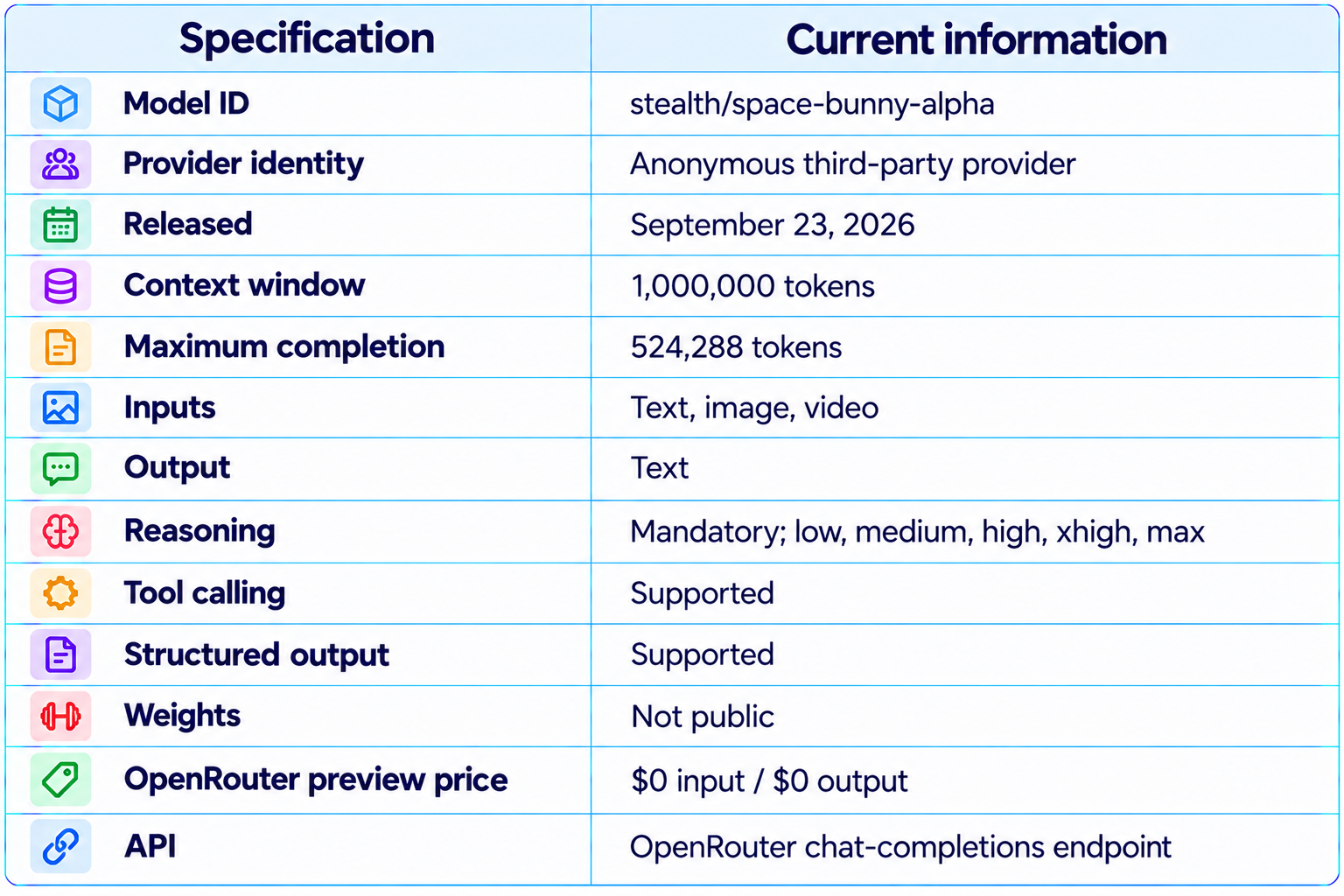
The provider has not published a parameter count, architecture, training dataset or model-card style technical report. The current public specification is therefore strongest on interface behavior and deployment capabilities rather than underlying model design.
3. The 1M Context Window
The one-million-token context is one of Space Bunny's clearest features. It gives developers enough room to work with very large repositories, long technical documents, extensive issue histories and large research collections in a single request.
More important than the advertised capacity is whether information can actually be found inside it. One independent OpenCode experiment placed three hidden codes inside an input of roughly 200,000 tokens and Space Bunny returned all three in the correct order. That is a focused retrieval test, not a full long-context benchmark, but it demonstrates useful retrieval behavior at a substantial input size.
The 524,288-token completion ceiling is a separate limit. It is a budget ceiling rather than an expected answer size, and reasoning tokens consume part of the same completion budget.
4. Coding Performance
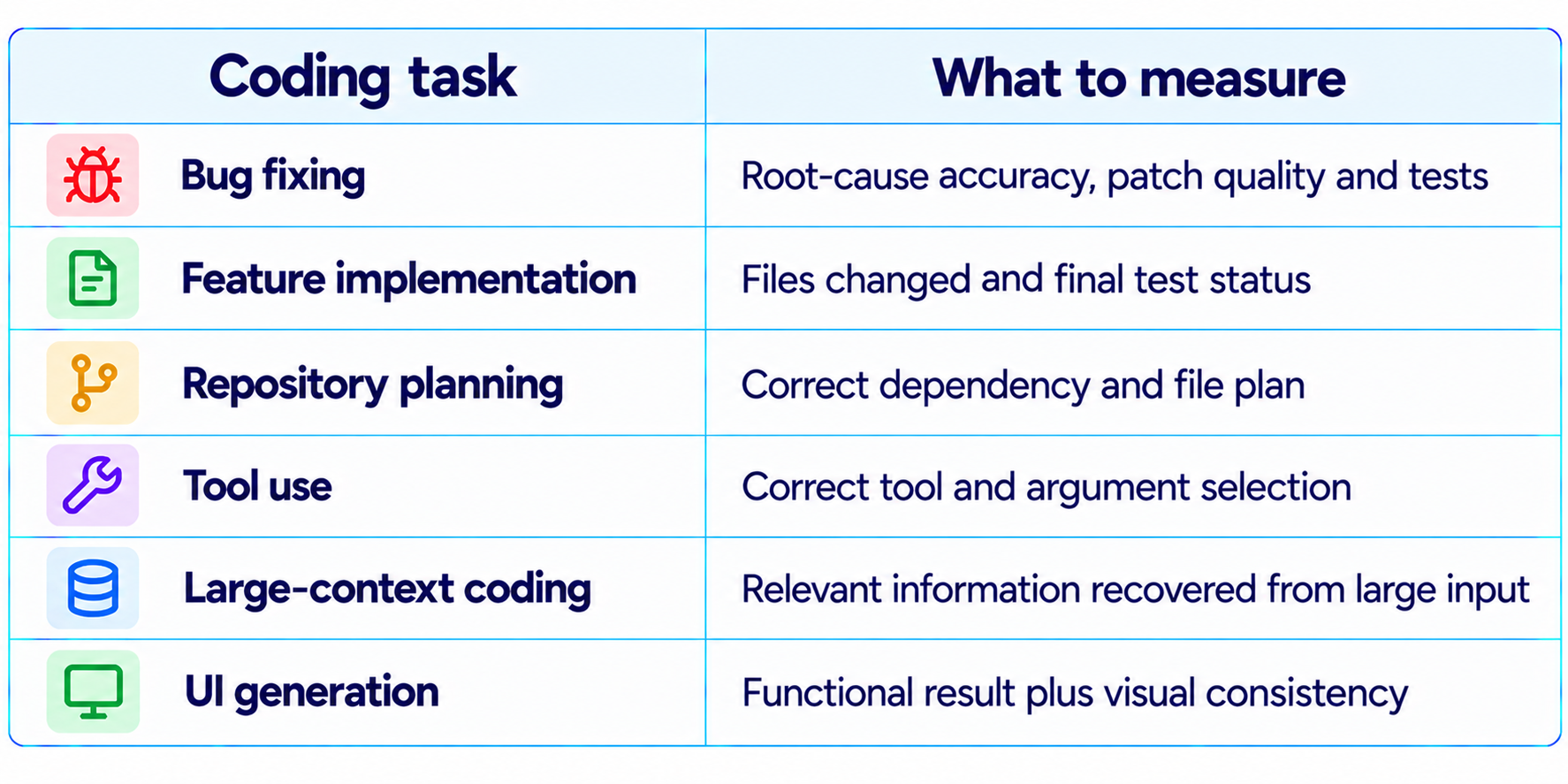
OpenRouter positions Space Bunny around strong coding capabilities, and coding is one of the most natural ways to test the model because its 1M context and tool support map directly to repository work.
Community OpenCode users have reported good performance during planning, research and simple software-building tasks. These reports are useful as early real-world evidence but should not be confused with standardized benchmark scores.
For production coding evaluation, Space Bunny should be compared against your current worker model using the same repository, tools and acceptance tests. First-pass success, number of corrections and time to a working patch are more useful than a single generated-code screenshot.
5. Space Bunny Benchmarks
AI BENCHY currently gives Space Bunny Alpha a 6.5 benchmark score, a 56.1% pass rate and 10.0 reliability, with the model sitting at #204 in its current leaderboard. Its strongest category on that page is domain-specific performance, while instruction following is lower in the category ranking.
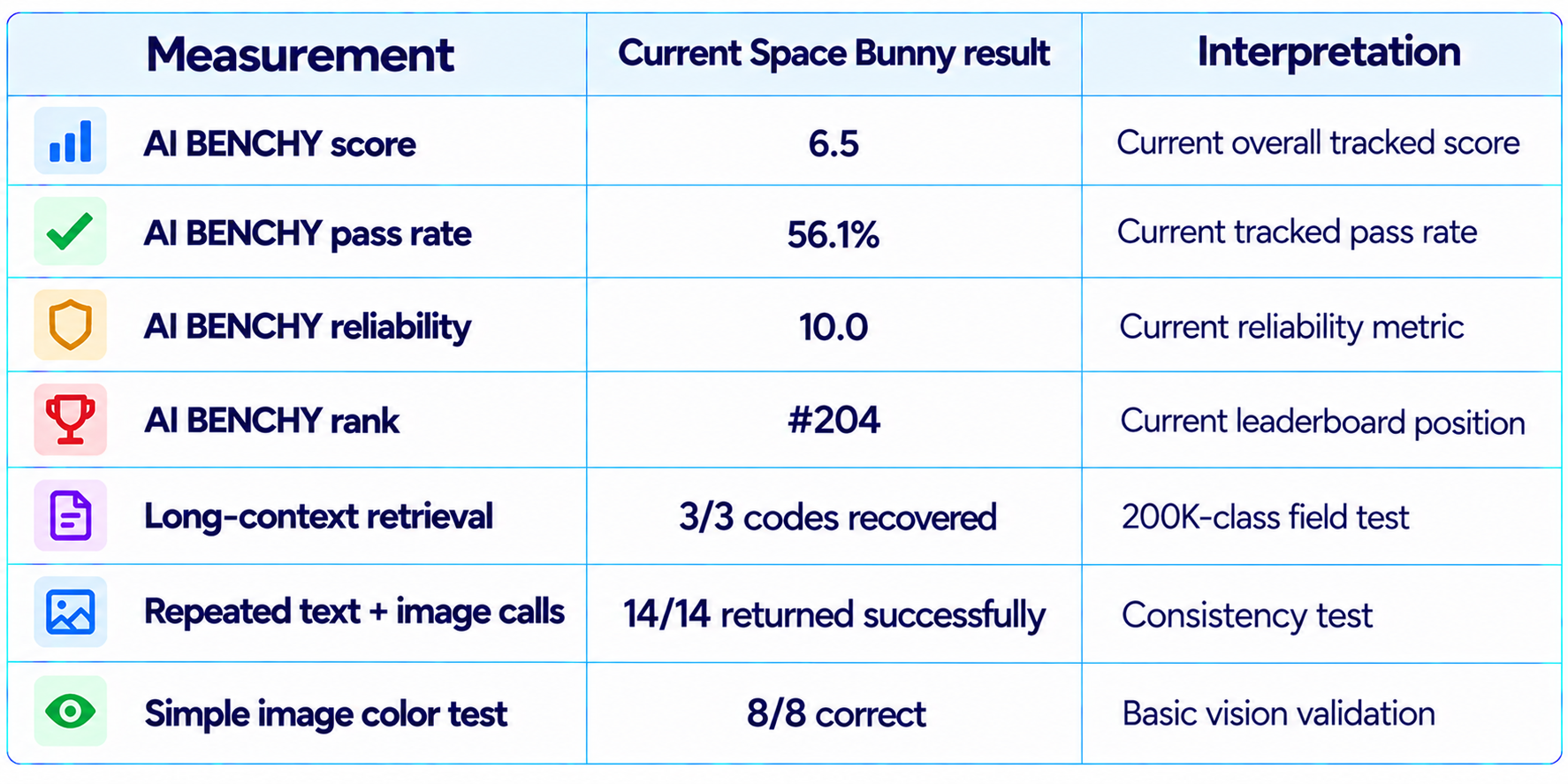
These results are useful as a snapshot of the preview. They do not provide the same breadth as long-established coding leaderboards, so the best review is a combination of benchmark measurements, controlled field tests and your own workload evaluation.
6. Space Bunny Speed
Speed is another major reason to test Space Bunny. Current OpenCode TokenDyno measurements show 24-hour average throughput of 94.3 tokens per second on OpenCode Go and 84.9 tokens per second on OpenCode Zen. The latest route-specific tests are about 89.9 and 74.5 tokens per second respectively.
A separate free-model monitor reports an average response time around 1.66 seconds in its test environment. That figure is useful for relative comparison but is not an official latency guarantee.
The route differences matter. Provider load, prompt size, reasoning effort and network conditions can change throughput significantly, so a single tokens-per-second number should never be treated as a universal speed specification.
7. Images and Video Input
Space Bunny accepts text, image and video as input and returns text. This gives it a broader working surface than a text-only coding model.
The current field tests confirm basic image input. Eight out of eight simple color-image probes were identified correctly, and a separate set of repeated image requests returned successfully.
The more useful applications are screenshot analysis, UI debugging, diagram interpretation, image-aware coding and video understanding. Space Bunny is not a media-generation model; its multimodal capability is for understanding input and producing text or tool requests.
8. Reasoning Effort
OpenRouter lists reasoning as mandatory, with low, medium, high, xhigh and max effort levels. The provider catalog currently defaults to max, while a separate Space Bunny builder starts at low.
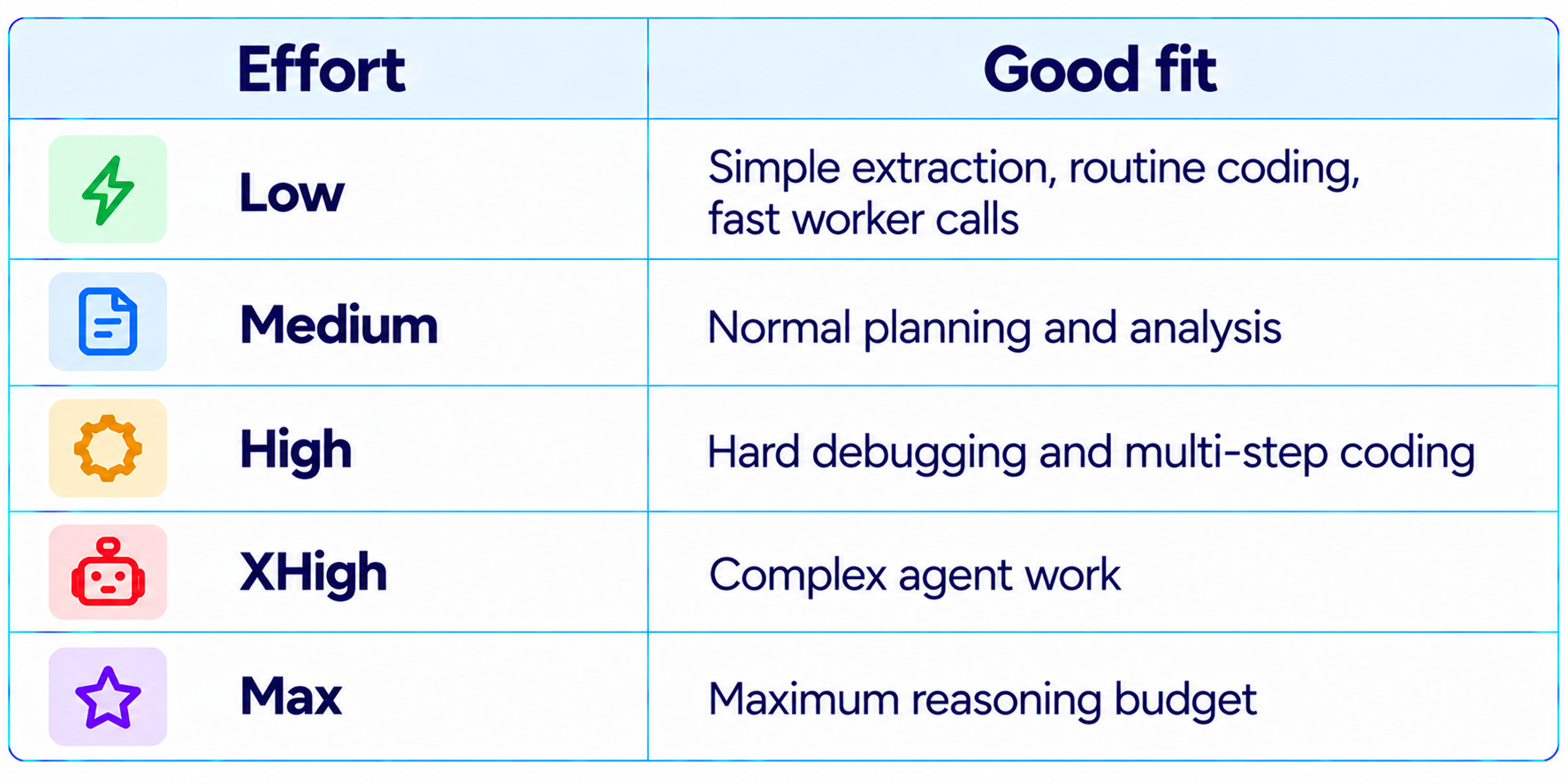
This gives developers a useful control mechanism. The endpoint does not need to be replaced when task difficulty changes. A router can keep easy work on low effort and escalate harder tasks within the same model family.
9. Tool Calling and Structured Output
Space Bunny supports tool calling, tool choice, response formatting and structured output through the OpenRouter interface. That makes it usable as an agent worker that can interact with APIs, files or application functions.
The current field guide notes that JSON output is supported, while JSON Schema enforcement is not listed. Production applications should therefore validate every structured response before executing downstream actions.
The combination of multimodal input, tools and reasoning is particularly useful for visual agents. For example, the model can inspect a screenshot, decide which diagnostic tool is needed, call it, and return a structured result.
10. Who Made Space Bunny?
OpenRouter currently describes Space Bunny as an anonymous stealth model operated by a third-party provider. The developer and exact checkpoint have not been disclosed.
Independent measurements provide a strong clue. YFarmX reports exact token-count agreement with MiniMax-family models across its test strings and classifies the model as highly consistent with MiniMax lineage. The same research proposes a model newer than MiniMax M3, with M3.1 as a candidate hypothesis.
That is the right level of certainty to use in a review. Space Bunny has a strong MiniMax-family fingerprint, but there is no official evidence naming the exact checkpoint. The identity should therefore remain an open hypothesis rather than a headline fact.
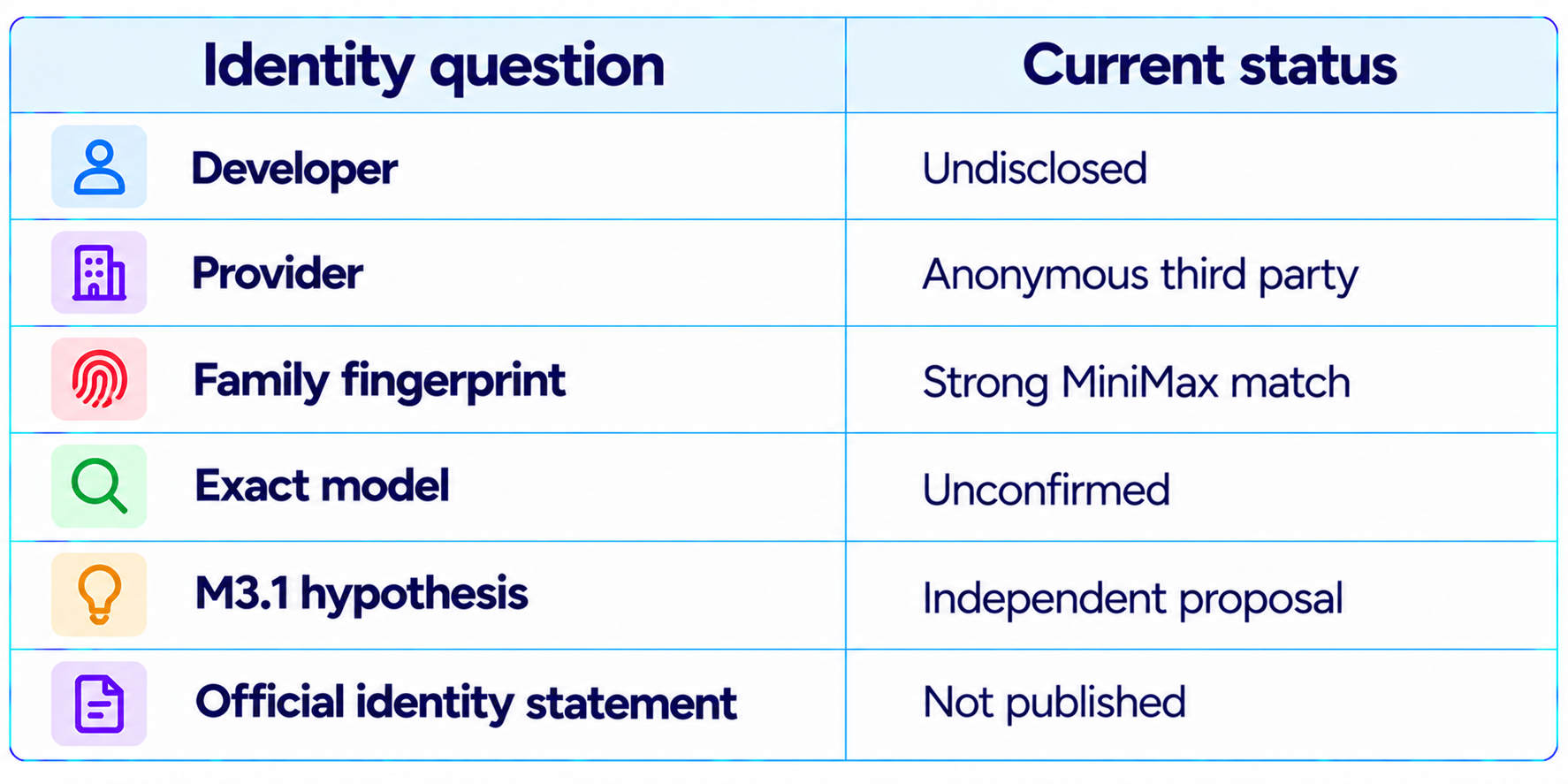
11. Why the Model Says It Is GPT-5
Independent testing reported that Space Bunny answered one identity question by saying it was created by OpenAI and named GPT-5. That statement should not be treated as provenance evidence.
A model can reproduce descriptions present in training data or system prompts, and self-reported identity can conflict with technical fingerprints. In the same study, Space Bunny's token-count signature matched MiniMax models much more closely than OpenAI models. The technical fingerprint is therefore stronger evidence for family analysis than the model's own answer.
12. Space Bunny vs MiniMax M3
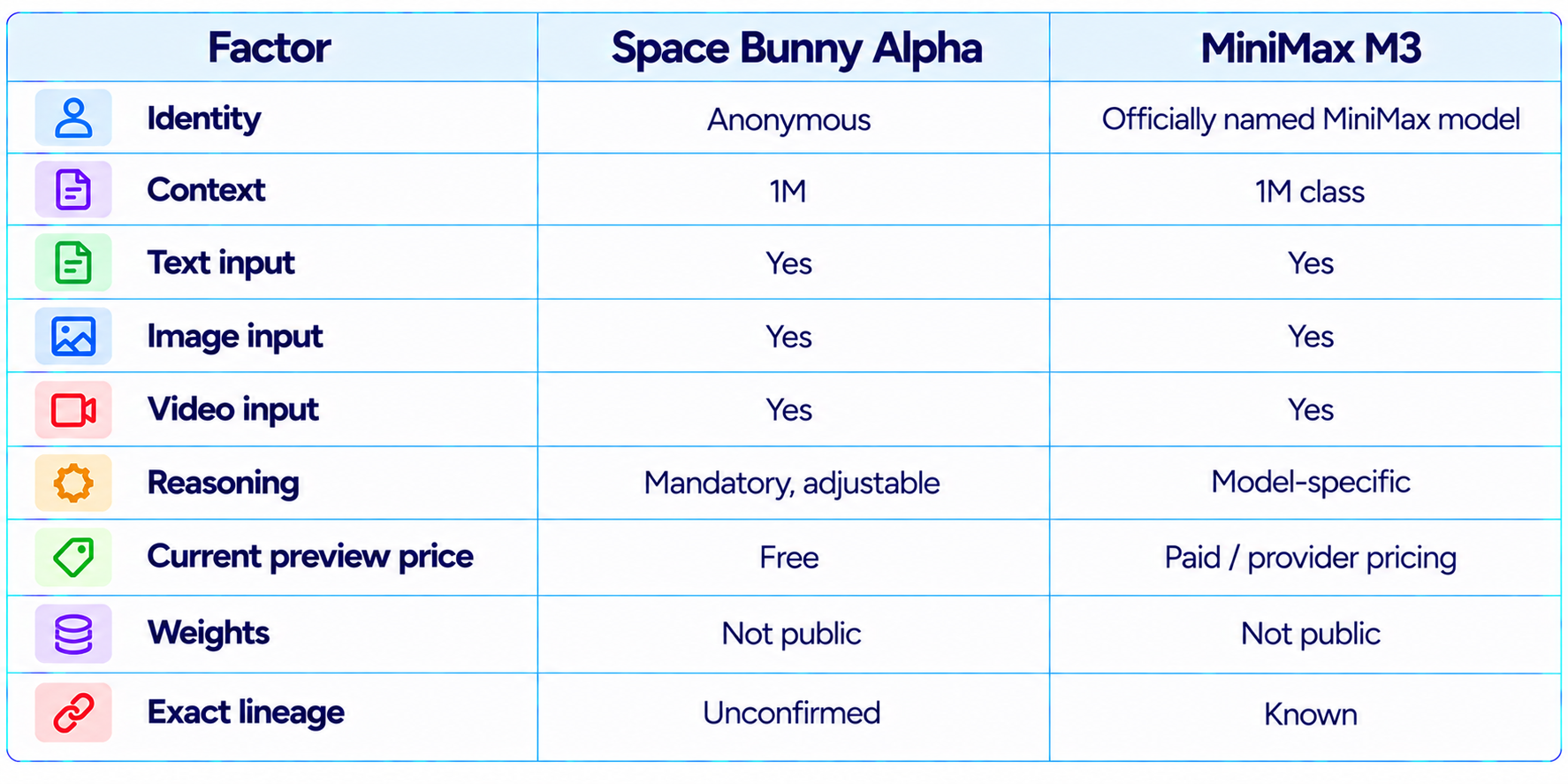
The similarity is useful, but it is not proof of identity. Space Bunny's 1M context and text-image-video profile resemble the shape of MiniMax M3, while independent tokenizer tests point toward the MiniMax family. The exact checkpoint remains unresolved.
13. Space Bunny vs GLM-5.3 Flash
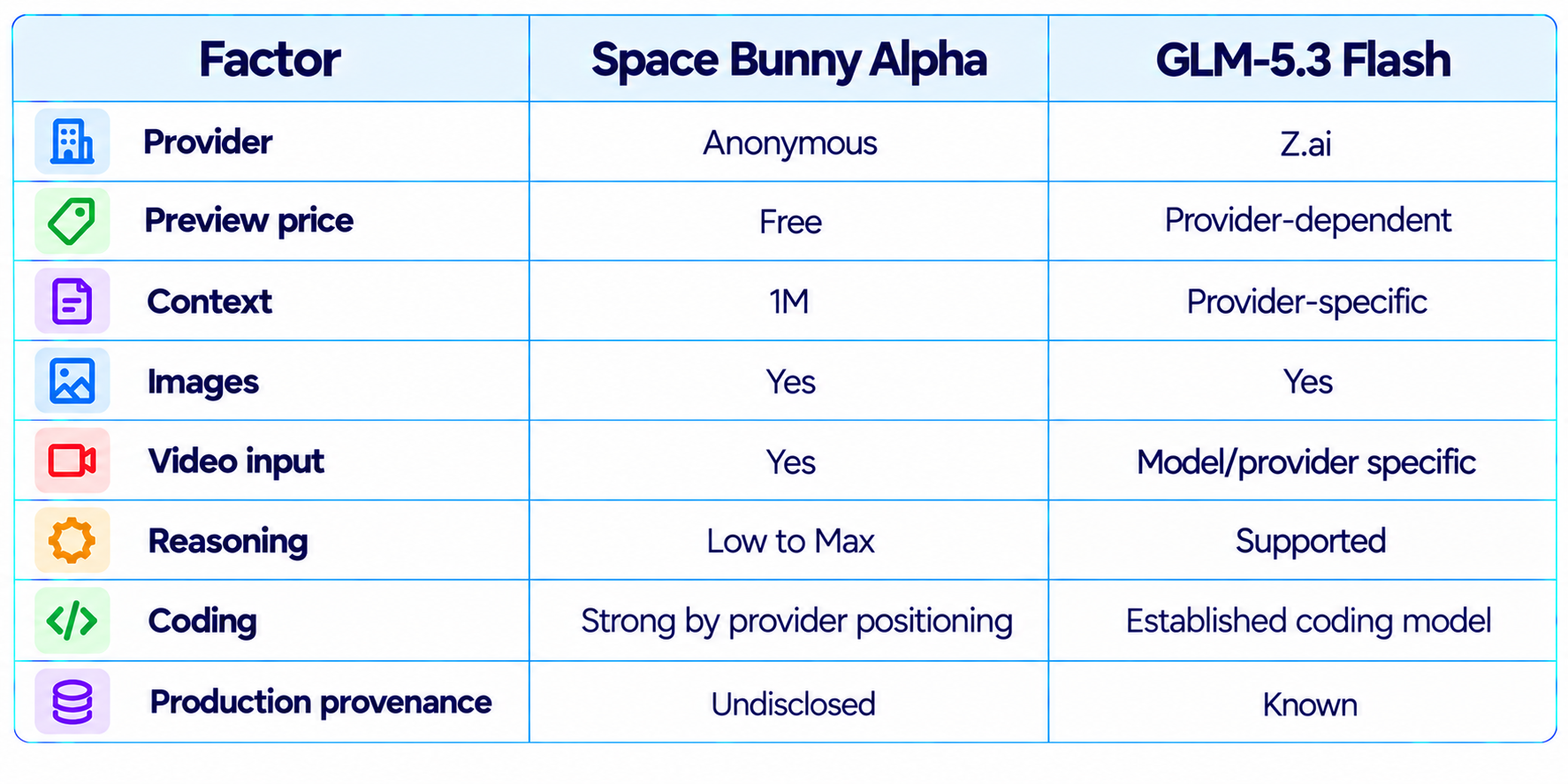
GLM-5.3 Flash has an important advantage that Space Bunny cannot currently match: a known developer and documented model family. Space Bunny's advantage is the combination of free preview access, long context and multimodal input.
14. Space Bunny vs GPT-5.6 Luna
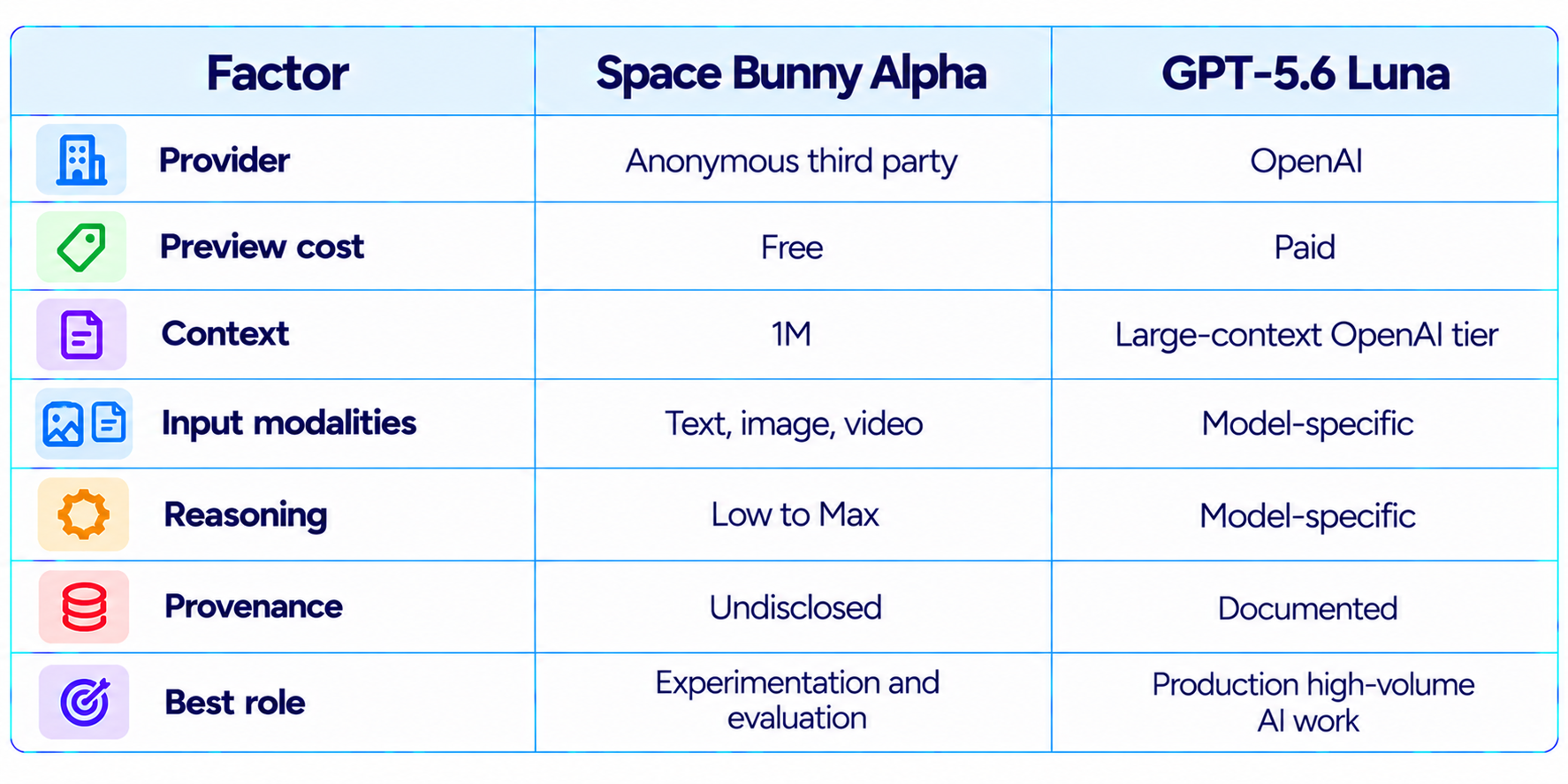
This is a useful model-routing comparison. Luna provides predictable enterprise provenance and a stable vendor relationship, while Space Bunny provides a nearly frictionless way to test a new multimodal worker at zero token cost during the preview.
15. Privacy and Data Use
Privacy is the biggest practical concern with anonymous models. OpenRouter states that prompts and completions for Space Bunny may be retained by the provider, while also stating that they are not used for training. OpenRouter itself says it is the gateway rather than the developer or operator of the stealth model.
OpenCode documents a different Space Bunny Free route with zero retention and no training use, subject to route and account eligibility. These are different access paths, so the privacy decision must be made per route rather than per model name.
For private repositories, credentials, client data or confidential research, use the route whose current data policy explicitly fits the information you are sending.
16. Free Access and Pricing
OpenRouter currently lists Space Bunny Alpha at $0 input and $0 output during the stealth preview. OpenCode also offers a limited free route.
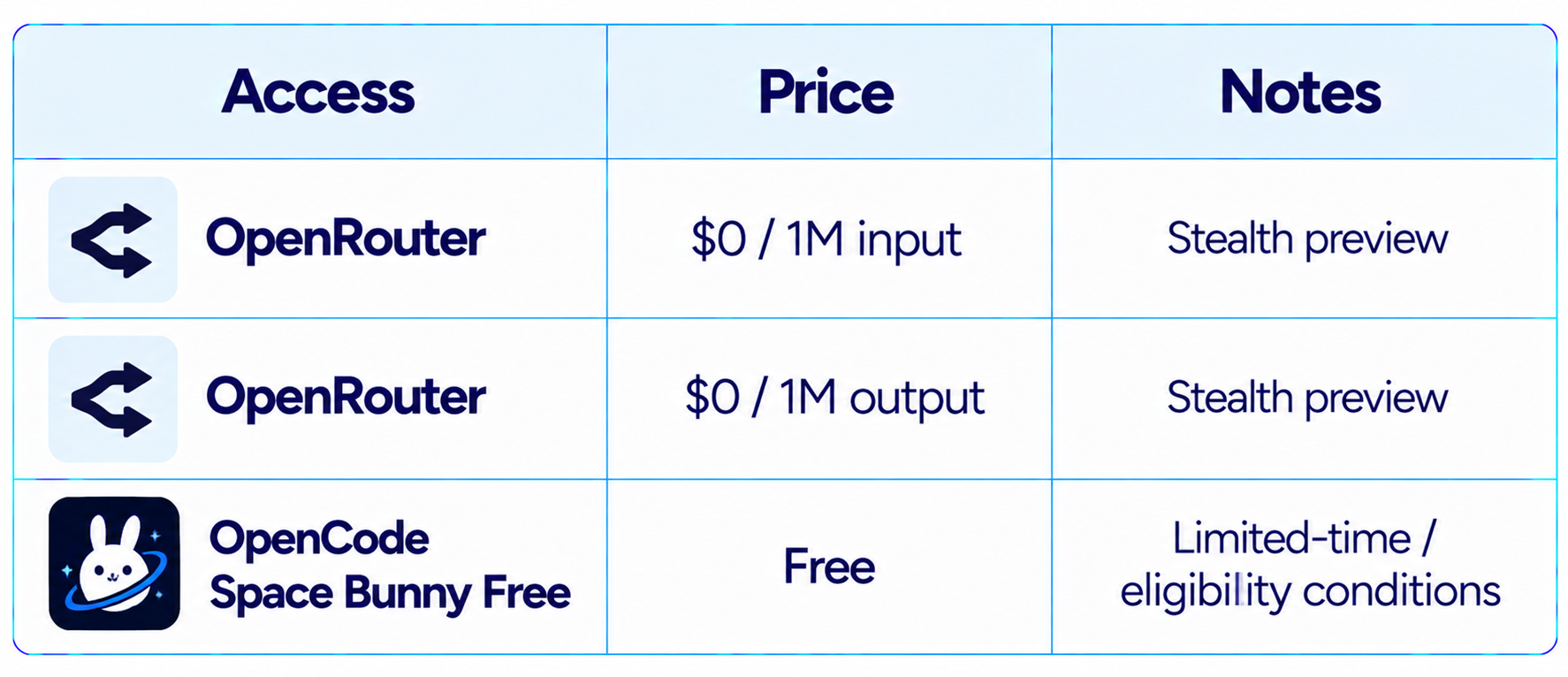
The free price is a preview condition, not a long-term pricing promise. Anonymous models can change providers, limits or commercial terms when the experiment ends.
17. Best Use Cases
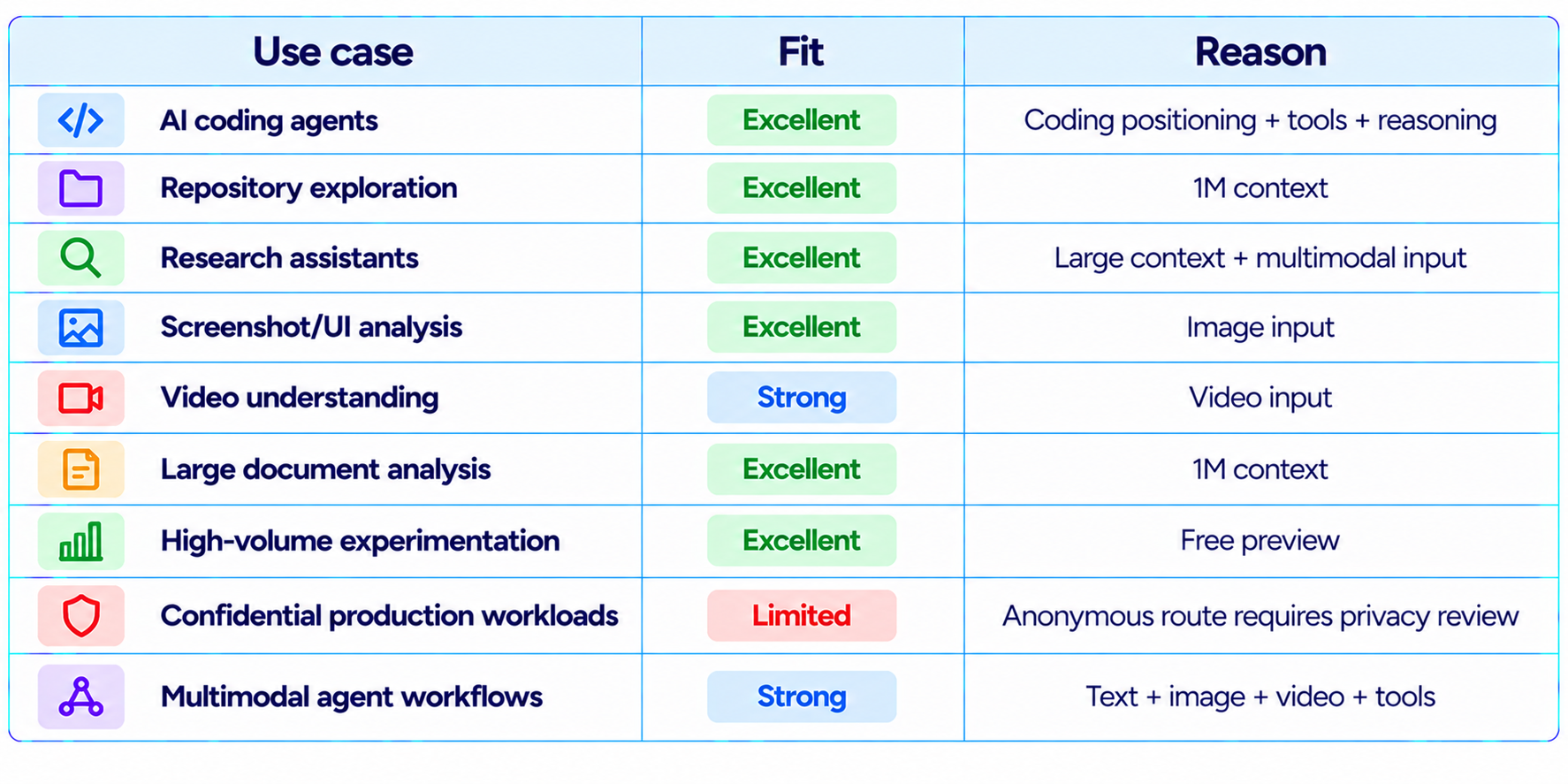
18. Limitations You Should Know
- The developer and exact model identity are not publicly disclosed.
- The MiniMax-family identification is independent evidence, not official confirmation.
- Major benchmark coverage is thinner than for established named models.
- OpenRouter's stealth provider may retain prompts and completions.
- The free preview is not a guaranteed permanent pricing model.
- Structured output is supported, but JSON Schema enforcement is not listed.
- Space Bunny understands images and video but does not generate them.
- The current public evidence does not justify calling Space Bunny the best coding or reasoning model overall.
19. Recommended Production Workflow
Space Bunny is best treated as an evaluation and routing candidate rather than the only model in a production stack.
- Use low reasoning for routine worker tasks.
- Use medium or high reasoning for normal planning and debugging.
- Use xhigh or max for complex agent workflows.
- Use the multimodal input for screenshot, diagram and video understanding.
- Validate tool calls and structured responses before executing them.
- Keep a known production model as a fallback.
- Do not send secrets or private source code through an anonymous route unless its current terms explicitly permit the use case.
- Measure success rate, retries, latency and cost on real tasks.
For the broader routing strategy, read Model Routing for AI Coding Agents.
20. How to Evaluate Space Bunny Yourself
The best benchmark is a fixed real-world task set. Compare Space Bunny against the worker model already used by your team.
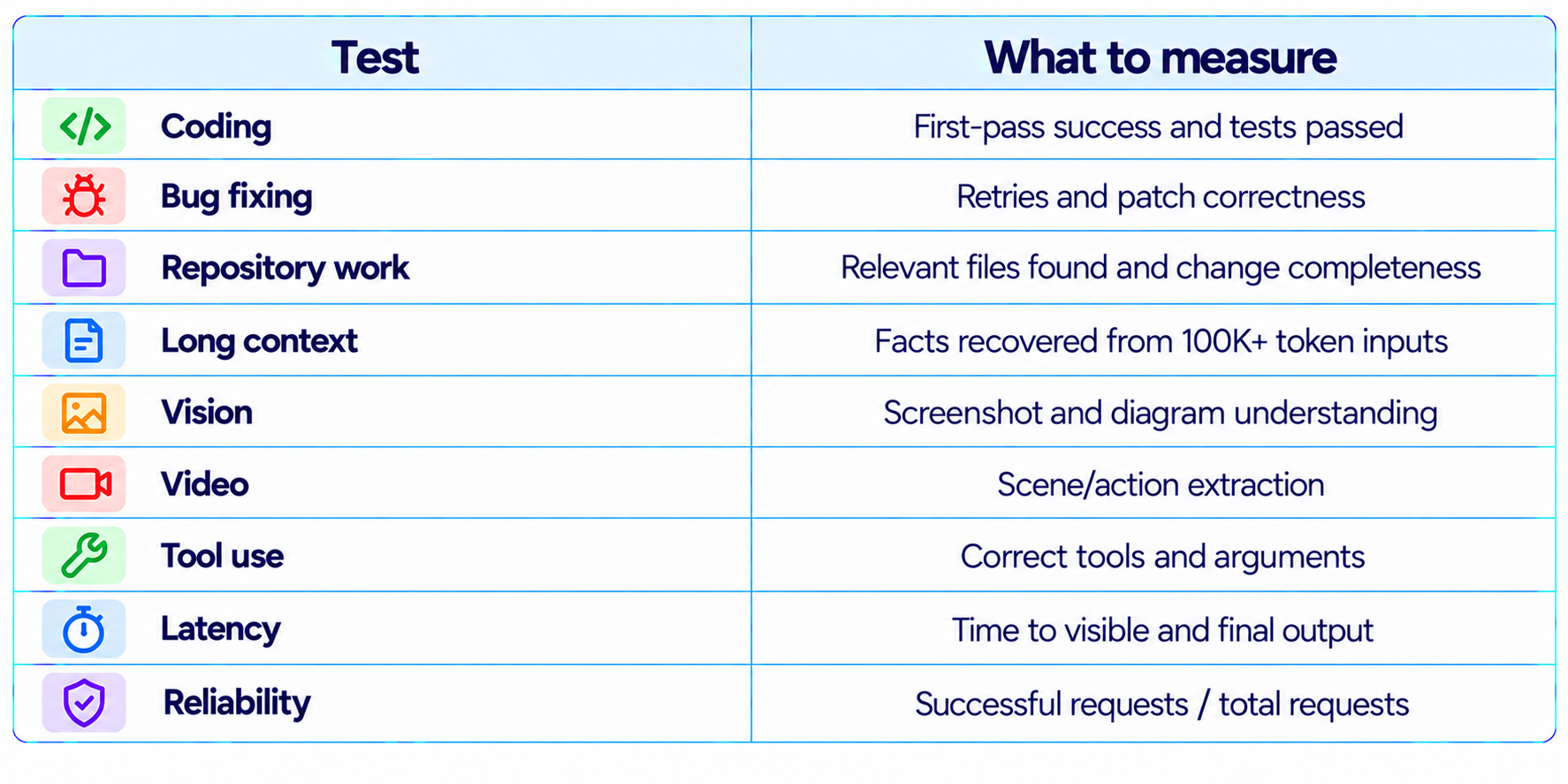
Use at least ten real tasks rather than one showcase prompt. The metric that matters most is completed work per unit of time, not a single public score.
21. Is Space Bunny Alpha Worth It?
Yes, as a model to test. The current combination of free access, 1M context, multimodal input, adjustable reasoning and tool support makes Space Bunny unusually useful for experimentation.
Its strongest practical evidence is consistency across targeted tests: the model recovered three hidden values from a 200K-class input, handled repeated text and image requests successfully, passed simple image recognition probes and streams at useful rates on OpenCode.
The main reason to keep another model available is provenance. An anonymous model can be technically capable while still being the wrong choice for a critical production path when developer identity, long-term pricing and data-handling commitments are unclear.
For coding experiments, large-context research and multimodal agent testing, however, Space Bunny is one of the most interesting free model previews available right now.
22. Final Verdict
Space Bunny Alpha is a compelling stealth-model release because it combines a 1M-token context, multimodal input, mandatory reasoning, tool calling and free preview access in one endpoint. That makes it useful before its identity is even fully understood.
The current field evidence is encouraging. Independent testing reports full success on its repeated text and image request set, successful retrieval from a roughly 200K-token input, and a strong MiniMax-family tokenizer match. AI BENCHY currently records a 56.1% pass rate, 10.0 reliability and a 6.5 benchmark score.
The biggest unresolved question is identity. The MiniMax signal is strong enough to discuss, but not strong enough to rename the model as MiniMax M3.1. The technically correct description remains an anonymous reasoning model with a MiniMax-compatible fingerprint.
My rating: 9.0/10 for experimentation, 9.2/10 for preview value, 8.8/10 for coding potential, 9.0/10 for multimodal capability and 8.8/10 overall.
Bottom line: Space Bunny Alpha is worth testing now for coding agents, large-context research and multimodal analysis. Use it as an evaluation endpoint rather than a blind production dependency, keep sensitive data away from anonymous routes unless their terms fit your requirements, and compare it against your existing worker model before making it a permanent part of your stack.
Frequently Asked Questions
What is Space Bunny Alpha?
Space Bunny Alpha is an anonymous reasoning model listed through OpenRouter and OpenCode with 1M context, image/video input, tools and adjustable reasoning.
Who made Space Bunny Alpha?
The developer is not publicly disclosed. Independent tokenizer tests point strongly toward the MiniMax family, but the exact checkpoint is unconfirmed.
Is Space Bunny Alpha a MiniMax model?
There is strong independent evidence of a MiniMax-family fingerprint. A specific M3.1 identification remains a hypothesis, not an official fact.
What is the Space Bunny context window?
OpenRouter lists 1,000,000 context tokens and a separate 524,288-token completion ceiling.
Is Space Bunny Alpha free?
Yes. OpenRouter currently lists zero input and output pricing for the stealth preview, and OpenCode has a separate free route.
How good is Space Bunny for coding?
OpenRouter positions it as strong at coding, and early users report good planning and software-building results. Test it on your own repository for a reliable decision.
Does Space Bunny support images and video?
Yes. It accepts text, image and video input and returns text.
Does Space Bunny support tools?
Yes. Tool calling and tool choice are supported.
Can Space Bunny generate images or video?
No. It understands image and video inputs but returns text and tool requests.
What are the Space Bunny benchmarks?
AI BENCHY currently reports a 56.1% pass rate, 10.0 reliability and a 6.5 benchmark score. Independent field tests also cover long-context retrieval and image input.
Is Space Bunny safe for private code?
Review the specific route. OpenRouter says the anonymous provider may retain prompts and completions; OpenCode's Space Bunny Free route has separate zero-retention and no-training terms.
Is Space Bunny Alpha worth using?
Yes for experimentation, coding, long-context research and multimodal testing. Use a known provider for sensitive production workloads unless the current privacy terms meet your requirements.
Recommended Blogs
Meta Muse Spark 1.3 Review: Coding, Price & Is It Worth It? (2026)
Gemini 3.8 Flash Review: Accuracy, Price & Is It Worth It? (2026)
Quasar 438B Review: Benchmarks, Speed, Price & Is It Worth It? (2026)
Qwen 3.8 Max 0902 Review: Benchmarks, Price & Is It Worth It? (2026)
Mercury 2.5 AI Model Review: Speed, Price & Is It Worth It? (2026)
MiniMax H3 Turbo Review: Speed, Quality, Price & Is It Worth It? (2026)
MiniMax FastH3 Review: Speed, Quality, VRAM & Is It Worth It? (2026)
Resources & Community
Join our community of 70,000+ AI enthusiasts and learn to build powerful AI applications. Whether you're a beginner or an experienced developer, Build Fast with AI helps you understand and implement AI in your projects.
Agentic AI Launchpad 2026
A structured 6-week cohort program that takes you from AI basics to building and deploying real-world agentic AI systems. Includes live sessions, expert mentorship, project reviews and a builder community network.
Ready to go from learning to building? Join the next cohort: Agentic AI Launchpad 2026
Free AI Resources
Access free tools, workshops and micro-learning to keep building.

